GLOBAL SHOCKWAVE: THE FALL OF AZMARIA SENDS TREMORS THROUGH WALL STREET AND WASHINGTON!
GLOBAL SHOCKWAVE: THE FALL OF AZMARIA SENDS TREMORS THROUGH WALL STREET AND WASHINGTON!
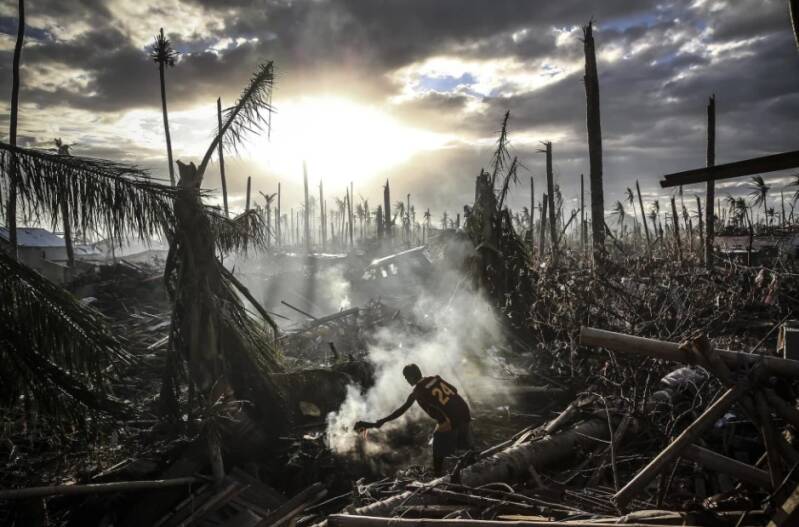
WASHINGTON D.C. / NEW YORK – In a development that has sent shockwaves from the gilded halls of Capitol Hill to the frantic trading floors of Wall Street, the once-promising, now utterly decimated, nation of Azmaria has officially ceased to function as a sovereign state. This cataclysmic collapse, unfolding over mere weeks, has ignited a firestorm of debate and panic across the United States, revealing both unforeseen vulnerabilities and opportunistic gains within the American economic landscape.
Azmaria: A Forgotten Dream Turned Nightmare
Nestled precariously on the resource-rich but politically volatile continent of Xylos, Azmaria was, until recently, lauded as a beacon of emerging market potential. For decades, it was a poster child for foreign direct investment, particularly from the U.S. Its vast, untapped reserves of 'Aerium' – a rare-earth mineral critical for next-generation microprocessors and high-capacity batteries – had attracted billions in American capital. Major U.S. tech giants, including 'Quantum Dynamics' and 'NeoEnergy Corp.', had established sprawling mining operations and processing plants, employing tens of thousands of Azmarian citizens and promising a stable, lucrative supply chain for American innovation. The nation's democratic transition, albeit fragile, was heavily supported by U.S. aid and diplomatic efforts, fostering an illusion of stability.
The Unraveling: A Perfect Storm of Greed and Despair
The seeds of Azmaria's destruction were sown in a toxic brew of rampant corruption, escalating tribal conflicts, and a devastating climate-induced drought that crippled its agricultural sector. The government, increasingly beholden to a cabal of kleptocratic elites, began siphoning off Aerium revenues, diverting funds intended for infrastructure and social programs into offshore accounts. This fueled widespread public discontent, which was then brutally suppressed. Simultaneously, long-simmering ethnic tensions, exacerbated by the scarcity of resources due to the drought, erupted into full-scale civil war. Insurgent groups, funded by rival regional powers, quickly overwhelmed the demoralized national army. The final blow came when a coordinated cyberattack, attributed by U.S. intelligence to an unknown state actor, crippled Azmaria's nascent financial infrastructure, rendering its currency worthless overnight and plunging the nation into anarchic chaos. The U.S.-backed President fled, leaving a power vacuum filled by warring factions.\
WASHINGTON D.C. / NEW YORK – In a development that has sent shockwaves from the gilded halls of Capitol Hill to the frantic trading floors of Wall Street, the once-promising, now utterly decimated, nation of Azmaria has officially ceased to function as a sovereign state. This cataclysmic collapse, unfolding over mere weeks, has ignited a firestorm of debate and panic across the United States, revealing both unforeseen vulnerabilities and opportunistic gains within the American economic landscape.
Azmaria: A Forgotten Dream Turned Nightmare
Nestled precariously on the resource-rich but politically volatile continent of Xylos, Azmaria was, until recently, lauded as a beacon of emerging market potential. For decades, it was a poster child for foreign direct investment, particularly from the U.S. Its vast, untapped reserves of 'Aerium' – a rare-earth mineral critical for next-generation microprocessors and high-capacity batteries – had attracted billions in American capital. Major U.S. tech giants, including 'Quantum Dynamics' and 'NeoEnergy Corp.', had established sprawling mining operations and processing plants, employing tens of thousands of Azmarian citizens and promising a stable, lucrative supply chain for American innovation. The nation's democratic transition, albeit fragile, was heavily supported by U.S. aid and diplomatic efforts, fostering an illusion of stability.
The Unraveling: A Perfect Storm of Greed and Despair
The seeds of Azmaria's destruction were sown in a toxic brew of rampant corruption, escalating tribal conflicts, and a devastating climate-induced drought that crippled its agricultural sector. The government, increasingly beholden to a cabal of kleptocratic elites, began siphoning off Aerium revenues, diverting funds intended for infrastructure and social programs into offshore accounts. This fueled widespread public discontent, which was then brutally suppressed. Simultaneously, long-simmering ethnic tensions, exacerbated by the scarcity of resources due to the drought, erupted into full-scale civil war. Insurgent groups, funded by rival regional powers, quickly overwhelmed the demoralized national army. The final blow came when a coordinated cyberattack, attributed by U.S. intelligence to an unknown state actor, crippled Azmaria's nascent financial infrastructure, rendering its currency worthless overnight and plunging the nation into anarchic chaos. The U.S.-backed President fled, leaving a power vacuum filled by warring factions.\
Wall Street's Wild Ride: Billions Lost, Fortunes Made
The immediate aftermath saw a brutal reckoning on U.S. financial markets. The Dow Jones Industrial Average plummeted over 800 points in a single day, wiping out billions in investor wealth. Shares of Quantum Dynamics and NeoEnergy Corp. – once market darlings – tanked by 35% and 40% respectively, as their Azmarian assets were declared unrecoverable. Supply chains for critical tech components were instantly severed, leading to fears of soaring prices for consumer electronics and electric vehicles. Investment banks, heavily exposed to Azmarian sovereign debt, reported staggering losses. "It's a bloodbath for anyone who bought into the 'Azmarian Miracle'," lamented veteran analyst Dr. Evelyn Reed on CNBC. "The illusion of stability was just that – an illusion."
However, amidst the carnage, a different story unfolded for a select few. Commodity traders who had shrewdly shorted Aerium futures before the collapse reaped astronomical profits. Furthermore, defense contractors saw their stock prices surge, anticipating increased demand for security solutions in the volatile Xylos region. Pharmaceutical companies, specializing in humanitarian aid and emergency medical supplies, also experienced an unexpected boom. Reports emerged of hedge funds, known for their aggressive 'distressed asset' strategies, quietly acquiring Azmarian mineral rights from desperate, fleeing officials at pennies on the dollar, positioning themselves for a future, albeit uncertain, recovery.
Washington's Response: A Geopolitical Chess Match
The U.S. government's reaction has been a complex tapestry of humanitarian concern, strategic maneuvering, and palpable frustration. President Thompson, addressing a somber nation, condemned the violence and pledged humanitarian aid, dispatching naval assets to assist in evacuation efforts for American citizens. However, behind closed doors, officials are grappling with the geopolitical fallout. The loss of Azmarian Aerium has created a critical vulnerability in the U.S. tech sector, forcing a frantic search for alternative sources and accelerating domestic mining initiatives – a potential long-term economic gain for American resource companies.
Secretary of State Eleanor Vance declared, "This tragedy underscores the imperative of diversifying our strategic supply chains and re-evaluating our engagement with unstable regimes." Meanwhile, intelligence agencies are reportedly working overtime to understand the cyberattack's origins, fearing a new front in global cyber warfare. The collapse of Azmaria has not only exposed the fragility of globalized supply chains but has also reignited debates about American interventionism, the ethics of resource extraction in developing nations, and the true cost of 'emerging market' investments. The echoes of Azmaria's fall will undoubtedly resonate through U.S. economic and foreign policy for years to come.